A
Allah
A DEADLY COCKTAIL
A stranger asked me, “Who created the heavens and earth?”
Without hesitation, my lips uttered, “God!”
But my heart did not hear.
So my desires turned into god,
And my ego craved to be desired.
Fiercely did I worship them,
And stupor became my state.
And when my soul fractured;
I peeled God away.
ANNOUNCEMENT
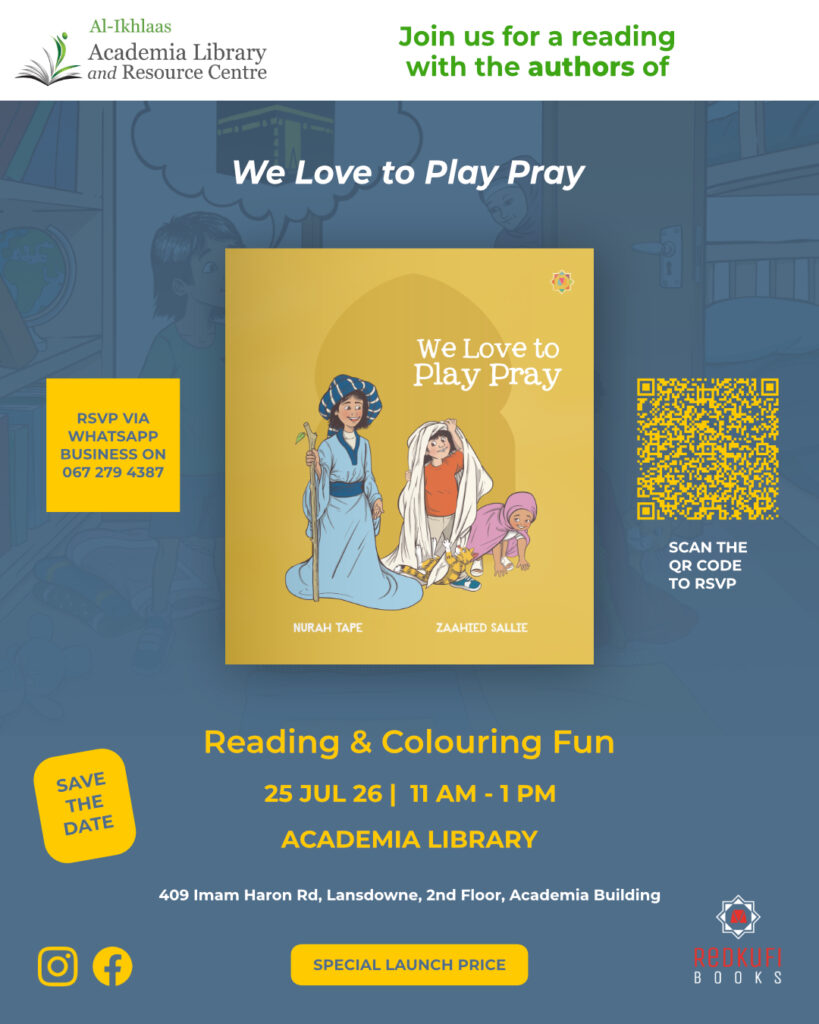
P
The Prophet (s)
THE ART OF PROPHETIC PARENTING
Modelling our character in the image of the Prophet (s) is not only the best endowment for our children, but one of the greatest forms of worship. In doing so, we present to our children the best paragon.
The Prophet (s) said: “Pray as you see me pray” [Sahih al-Bukhari 631].
He (s) was teaching his companions to follow his example, not just his speech.
The statement is not axiomatic. But it implicitly teaches the maxim “Lead by example”, and the wisdom of this prophetic instruction is illustrated in a home where prayer is established.
Toddlers as young as two mimic Salah, Islam’s five canonical prayers, because it’s omnipresent in their daily lives. Nobody told them to pray. Children instinctively follow the prophetic guidance and pray as they see their parents and others repeatedly do.
Children are wired to mimic. Mimicry is essential for human development. It is how children learn to talk and walk without being taught. Children learn by sight. And when something is ubiquitous, they imbibe. It is also true of primates. One study that stunned researchers was when six-month-old Kanzi, a bonobo, learned 100-plus lexigram symbols and understood sentences simply by watching his mom being taught sign language. Most apes learn through a reward system, but Kanzi learned through mimicry.
The primary technique for learning from toddlerhood through adolescence is imitation of adults through social interaction, which is why God-consciousness is one of the most important virtues parents must cultivate within themselves, lest they present to their children a heedless version of themselves to emulate.
The lesson is: while parents wean their children, the children become their parents, or a version of their parents, or an amalgam of their parents. They pick up all the behavioural, emotional, vocal, and physical cues as they develop their personalities and adapt them to their world. Thus, parents become their gospel. Their model. The way through which they navigate their world.
Not by our speech do children grow, but by our deeds.
And if we dislike who they become, it may be that we see the parts of ourselves which we dislike in them.
To circumvent this, parents must close the gap between speech and deeds. The goal is for the two to align. For our insides to match our outsides. This congruence, or its lack, will greatly determine parental success.
Regardless of what we do, our actions leave an indelible mark on our children. And though first-time parents generally learn to equip themselves for the most important responsibility of their lives, many don’t view their character as the most influential part.
When parents hone their character like the Prophet Muhammad’s, they leave behind his (s) prophetic mark on their children. An imprint that will serve them well in this life and grant them entry into the greatest society in the next. Among the prophets, martyrs, saints, and the righteous.
M
Asking Help
Everyone needs help at some point. A lift, guidance, an ear, employment, food, money, or where the aisle with the unpronounceable item your wife asked you to get is. Etcetera. Turning to our fellows in humanity for help, let alone our brothers and sisters in faith, should be natural.
Do you struggle with asking for help? If so, which character defects keep you from asking?
Is it pride, fear, low self-esteem, perfectionism, self-reliance, or arrogance?
If there is something you need help with right now, what steps can you take to shift from fear to trust, from pride to humility, from self-reliance to reliance on God and building community and connections with others?
A good place to begin is to understand that no one can live life well independently and that asking for help is not a weakness, but a strength.
Until next week, InshaAllah
Zaahied Sallie
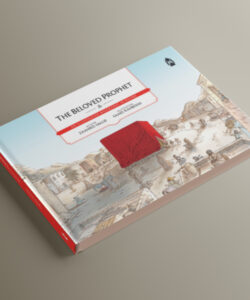
Author of The Beloved Prophet – An Illustrated Biography in Rhyme
Join Allah, the Prophet, and me
Inspiring thoughts and ideas to deepen your connection with Allah and the Prophet (s).
Join me on this journey—enter your email now.

Follow me on Upscrolled, Instagram and X for short but powerful APM excerpts, quotes, and reminders throughout the week.
ABOUT THE NEWSLETTER
The APM Newsletter is a weekly Friday feature, sharing thoughts and ideas to help cultivate the link between Allah, the Prophet and me (meaning YOU).
- APM: Objectified Women, Limitless Generosity, and Organised Power
- APM: The Losers, Building the Base, and Scrambling Genocidaires
- APM: Halal but Un-Islamic, Friday Etiquette, and Encyclopaedias are Dangerous
- APM: A Self-Willed Rebellion, Let’s Prepare Now, and Losing Yourself
- APM: Confederate Temptations, Idol Worship, and Killing Shame
A
Allah
A DEADLY COCKTAIL
A stranger asked me, “Who created the heavens and earth?”
Without hesitation, my lips uttered, “God!”
But my heart did not hear.
So my desires turned into god,
And my ego craved to be desired.
Fiercely did I worship them,
And stupor became my state.
And when my soul fractured;
I peeled God away.
ANNOUNCEMENT
P
The Prophet (s)
THE ART OF PROPHETIC PARENTING
Modelling our character in the image of the Prophet (s) is not only the best endowment for our children, but one of the greatest forms of worship. In doing so, we present to our children the best paragon.
The Prophet (s) said: “Pray as you see me pray” [Sahih al-Bukhari 631].
He (s) was teaching his companions to follow his example, not just his speech.
The statement is not axiomatic. But it implicitly teaches the maxim “Lead by example”, and the wisdom of this prophetic instruction is illustrated in a home where prayer is established.
Toddlers as young as two mimic Salah, Islam’s five canonical prayers, because it’s omnipresent in their daily lives. Nobody told them to pray. Children instinctively follow the prophetic guidance and pray as they see their parents and others repeatedly do.
Children are wired to mimic. Mimicry is essential for human development. It is how children learn to talk and walk without being taught. Children learn by sight. And when something is ubiquitous, they imbibe. It is also true of primates. One study that stunned researchers was when six-month-old Kanzi, a bonobo, learned 100-plus lexigram symbols and understood sentences simply by watching his mom being taught sign language. Most apes learn through a reward system, but Kanzi learned through mimicry.
The primary technique for learning from toddlerhood through adolescence is imitation of adults through social interaction, which is why God-consciousness is one of the most important virtues parents must cultivate within themselves, lest they present to their children a heedless version of themselves to emulate.
The lesson is: while parents wean their children, the children become their parents, or a version of their parents, or an amalgam of their parents. They pick up all the behavioural, emotional, vocal, and physical cues as they develop their personalities and adapt them to their world. Thus, parents become their gospel. Their model. The way through which they navigate their world.
Not by our speech do children grow, but by our deeds.
And if we dislike who they become, it may be that we see the parts of ourselves which we dislike in them.
To circumvent this, parents must close the gap between speech and deeds. The goal is for the two to align. For our insides to match our outsides. This congruence, or its lack, will greatly determine parental success.
Regardless of what we do, our actions leave an indelible mark on our children. And though first-time parents generally learn to equip themselves for the most important responsibility of their lives, many don’t view their character as the most influential part.
When parents hone their character like the Prophet Muhammad’s, they leave behind his (s) prophetic mark on their children. An imprint that will serve them well in this life and grant them entry into the greatest society in the next. Among the prophets, martyrs, saints, and the righteous.
M
Asking Help
Everyone needs help at some point. A lift, guidance, an ear, employment, food, money, or where the aisle with the unpronounceable item your wife asked you to get is. Etcetera. Turning to our fellows in humanity for help, let alone our brothers and sisters in faith, should be natural.
Do you struggle with asking for help? If so, which character defects keep you from asking?
Is it pride, fear, low self-esteem, perfectionism, self-reliance, or arrogance?
If there is something you need help with right now, what steps can you take to shift from fear to trust, from pride to humility, from self-reliance to reliance on God and building community and connections with others?
A good place to begin is to understand that no one can live life well independently and that asking for help is not a weakness, but a strength.
Until next week, InshaAllah
Zaahied Sallie
Author of The Beloved Prophet – An Illustrated Biography in Rhyme
Join Allah, the Prophet, and me
Inspiring thoughts and ideas to deepen your connection with Allah and the Prophet (s).
Join me on this journey—enter your email now.

Follow me on Upscrolled, Instagram and X for short but powerful APM excerpts, quotes, and reminders throughout the week.
About The Newsletter
The APM Newsletter is a weekly Friday feature, sharing thoughts and ideas to help cultivate the link between Allah, the Prophet and me (meaning YOU).
Previous Posts
- APM: Objectified Women, Limitless Generosity, and Organised Power
- APM: The Losers, Building the Base, and Scrambling Genocidaires
- APM: Halal but Un-Islamic, Friday Etiquette, and Encyclopaedias are Dangerous
- APM: A Self-Willed Rebellion, Let’s Prepare Now, and Losing Yourself
- APM: Confederate Temptations, Idol Worship, and Killing Shame