A
Allah
WHY?
Curiosity might have killed the cat, but an unenquiring and disinterested human is already dead.
My late mother (Allah yarhamhu—May Allah have mercy on her), without fail, would always preface her answer to my enquiries with the Stephen King quote: “Why is a crooked letter and can’t be made straight.”
I don’t think my mother ever read King. I don’t think she even knew who she was quoting or who Stephen King was. The quote is from his book, The Gunslinger, which I would only come to learn decades later.
In the novel, King describes ‘why’ as humanity’s endless and often futile search for truth and meaning.
King’s ‘crooked why’ sentiment has merit, but only to a degree. The unmerited part is antithetical to the Quran.
Contrary to the premise of King’s quote, the Quran straightens our understanding with truth and reason for the most important things in life: “I created jinn and mankind only to worship Me” [51:56].
However, the Quran also agrees with Stephen King’s sentiment by teaching intellectual humility and cautioning against investigating things Allah deems futile or beyond our purview as depicted in the Quranic story of the Sleepers: “[Some] say, ‘The sleepers were three, and their dog made four,’ others say, ‘They were five, and the dog made six’–guessing in the dark–and some say, ‘They were seven, and their dog made eight.’ Say [Prophet], ‘My Lord knows best how many they were.’ Only a few have real knowledge about them, so do not argue, but stick to what is clear, and do not ask any of these people about them” [18:22].
Searching for and accepting the truth is not only praised in Islam but also frequently encouraged in the Quran. It is also intrinsic. Every child instinctively pursues the need to understand with repeated ‘why’ queries at the expense of their parent’s sanity. Children want to know and comprehend. And so should we.
Asking ‘why’ is critical to knowledge. The problem is that we are raised out of the practice because this humble three-letter word is threatening and thus shunned. It elicits fear by forcing us to substantiate our claims, actions, and beliefs: ‘Why do you say the things you say, why do you do the things you do, why do you believe the things you believe?
‘Why’ queries force evidentiary living. It allows us to reevaluate our speech, beliefs, and actions, as well as those of others, and the systems we live in, and judge whether they are rooted in sound reasoning. “Bring your proof, if you are truthful,” is a frequent Quranic retort.
In 2009, Simon Sinek, world-renowned thought leader and author, wrote a global bestseller titled Start with Why. In the same year, Sinek delivered a TED talk on the same topic. To date, his talk has more than 100 million views.
‘Why’ serves as the essential litmus test for arriving at the truth and strips away the falsehoods animating our lives. And because God is al-Haqq, the Truth, it shifts us closer to Him.
Below are a few ‘Why’ queries, which the Quran patiently answers:
Q. Why were we created? A. “I created jinn and mankind only to worship Me” [51:56].
Q. Why Ramadan? A. “You who believe, fasting is prescribed for you, as it was prescribed for those before you, so that you may become mindful of God” [2:183].
Q. Why is Allah only One? A. “Allah has never had offspring, nor is there any god besides Him. Otherwise, each god would have taken away what he created, and they would have tried to dominate one another. Glorified is Allah above what they claim!” [23:91].
P
The Prophet (s)
GUARD YOUR TONGUE
The most awful situations we get others and ourselves into are due to thoughtless speech.
The Prophet (s) characterised a Muslim as one from whose hand and tongue other Muslims are safe. [Sahih Muslim 41]
Sayduna Tawus (ra), a Tabi’i (a companion of the Prophet’s companions), used to say: ‘My tongue is a beast. If I let it out, it will bite me.’
For many, regret is a chronic latecomer. Thus, guard your tongue. Use your teeth as bars.
M
The Best Home
Our personality finds its home in the successes or ruins of our character.
Until next week, InshaAllah
Zaahied Sallie
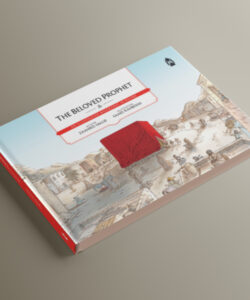
Author of The Beloved Prophet – An Illustrated Biography in Rhyme
Join Allah, the Prophet, and me
Inspiring thoughts and ideas to deepen your connection with Allah and the Prophet (s).
Join me on this journey—enter your email now.

Follow me on Upscrolled, Instagram and X for short but powerful APM excerpts, quotes, and reminders throughout the week.
ABOUT THE NEWSLETTER
The APM Newsletter is a weekly Friday feature, sharing thoughts and ideas to help cultivate the link between Allah, the Prophet and me (meaning YOU).
- APM: Objectified Women, Limitless Generosity, and Organised Power
- APM: The Losers, Building the Base, and Scrambling Genocidaires
- APM: Halal but Un-Islamic, Friday Etiquette, and Encyclopaedias are Dangerous
- APM: A Self-Willed Rebellion, Let’s Prepare Now, and Losing Yourself
- APM: Confederate Temptations, Idol Worship, and Killing Shame
A
Allah
WHY?
Curiosity might have killed the cat, but an unenquiring and disinterested human is already dead.
My late mother (Allah yarhamhu—May Allah have mercy on her), without fail, would always preface her answer to my enquiries with the Stephen King quote: “Why is a crooked letter and can’t be made straight.”
I don’t think my mother ever read King. I don’t think she even knew who she was quoting or who Stephen King was. The quote is from his book, The Gunslinger, which I would only come to learn decades later.
In the novel, King describes ‘why’ as humanity’s endless and often futile search for truth and meaning.
King’s ‘crooked why’ sentiment has merit, but only to a degree. The unmerited part is antithetical to the Quran.
Contrary to the premise of King’s quote, the Quran straightens our understanding with truth and reason for the most important things in life: “I created jinn and mankind only to worship Me” [51:56].
However, the Quran also agrees with Stephen King’s sentiment by teaching intellectual humility and cautioning against investigating things Allah deems futile or beyond our purview as depicted in the Quranic story of the Sleepers: “[Some] say, ‘The sleepers were three, and their dog made four,’ others say, ‘They were five, and the dog made six’–guessing in the dark–and some say, ‘They were seven, and their dog made eight.’ Say [Prophet], ‘My Lord knows best how many they were.’ Only a few have real knowledge about them, so do not argue, but stick to what is clear, and do not ask any of these people about them” [18:22].
Searching for and accepting the truth is not only praised in Islam but also frequently encouraged in the Quran. It is also intrinsic. Every child instinctively pursues the need to understand with repeated ‘why’ queries at the expense of their parent’s sanity. Children want to know and comprehend. And so should we.
Asking ‘why’ is critical to knowledge. The problem is that we are raised out of the practice because this humble three-letter word is threatening and thus shunned. It elicits fear by forcing us to substantiate our claims, actions, and beliefs: ‘Why do you say the things you say, why do you do the things you do, why do you believe the things you believe?
‘Why’ queries force evidentiary living. It allows us to reevaluate our speech, beliefs, and actions, as well as those of others, and the systems we live in, and judge whether they are rooted in sound reasoning. “Bring your proof, if you are truthful,” is a frequent Quranic retort.
In 2009, Simon Sinek, world-renowned thought leader and author, wrote a global bestseller titled Start with Why. In the same year, Sinek delivered a TED talk on the same topic. To date, his talk has more than 100 million views.
‘Why’ serves as the essential litmus test for arriving at the truth and strips away the falsehoods animating our lives. And because God is al-Haqq, the Truth, it shifts us closer to Him.
Below are a few ‘Why’ queries, which the Quran patiently answers:
Q. Why were we created? A. “I created jinn and mankind only to worship Me” [51:56].
Q. Why Ramadan? A. “You who believe, fasting is prescribed for you, as it was prescribed for those before you, so that you may become mindful of God” [2:183].
Q. Why is Allah only One? A. “Allah has never had offspring, nor is there any god besides Him. Otherwise, each god would have taken away what he created, and they would have tried to dominate one another. Glorified is Allah above what they claim!” [23:91].
P
The Prophet (s)
GUARD YOUR TONGUE
The most awful situations we get others and ourselves into are due to thoughtless speech.
The Prophet (s) characterised a Muslim as one from whose hand and tongue other Muslims are safe. [Sahih Muslim 41]
Sayduna Tawus (ra), a Tabi’i (a companion of the Prophet’s companions), used to say: ‘My tongue is a beast. If I let it out, it will bite me.’
For many, regret is a chronic latecomer. Thus, guard your tongue. Use your teeth as bars.
M
The Best Home
Our personality finds its home in the successes or ruins of our character.
Until next week, InshaAllah
Zaahied Sallie
Author of The Beloved Prophet – An Illustrated Biography in Rhyme
Join Allah, the Prophet, and me
Inspiring thoughts and ideas to deepen your connection with Allah and the Prophet (s).
Join me on this journey—enter your email now.

Follow me on Upscrolled, Instagram and X for short but powerful APM excerpts, quotes, and reminders throughout the week.
About The Newsletter
The APM Newsletter is a weekly Friday feature, sharing thoughts and ideas to help cultivate the link between Allah, the Prophet and me (meaning YOU).
Previous Posts
- APM: Objectified Women, Limitless Generosity, and Organised Power
- APM: The Losers, Building the Base, and Scrambling Genocidaires
- APM: Halal but Un-Islamic, Friday Etiquette, and Encyclopaedias are Dangerous
- APM: A Self-Willed Rebellion, Let’s Prepare Now, and Losing Yourself
- APM: Confederate Temptations, Idol Worship, and Killing Shame