A
Allah
CONFEDERATE TEMPTATIONS
We are never safe from the temptations that can lead us to eternal ruin. Nor from Satan, the great tempter.
So, seek refuge with God from Satan’s seduction. And from your nafs (ego), hawaa (desires), and dunya (the world).
And every time this confederate army inevitably mobilises against you, remember those brave men and women at the Battle of Uhud, who rose in faith when people said: ‘Fear your enemy: they have amassed a great army against you,’ and who replied, ‘God is enough for us: He is the best Protector’ [3:173].
P
The Prophet (s)
IDOL WORSHIP
Showers of worship and glory rain daily on the unworthy—acidic rain poisoning both the showered and the spouting heart.
These precipitations stem from hearts harbouring idols: self, food, sex, drugs, alcohol, work, television, creation, greed, materialism, popular culture, fame, celebrities, musicians, artists, prophets, saints, religious figures, statues, sportsmen and women, sports teams, corporations, scientists, entrepreneurs, innovators, icons, brands, tech, cars, wealth, and the like—which ultimately lead astray.
One of the Quran’s most profound dialogues addresses misdirected worship.
In Chapter 26 of the Quran, The Poets, verses 70 to 102, God related to His beloved Prophet Muhammad (s) a 2,500-year-old three-part story of his great-great-grand-progenitor and God’s friend, Abraham (as), the foundational monotheist prophet.
The story teaches three themes: 1) shunning sinful worship, 2) becoming selfless through prayer, and 3) focusing on your eternal home. This pedagogy also teaches the art of discourse and debate.
Before beginning His narration, God instructs the Prophet (s) to rehearse the parable of his great-grandfather, which he is about to hear, to the world.
This instruction was not only for the Prophet (s), but for all who read the glorious verses that are about to follow:
(Prophet) Tell them the story of Abraham when he asked his father and his people, ‘What do you worship?’
They said, ‘We worship idols, and we attend to them constantly (addictively, obsessively, compulsively).’
He asked, ‘Do they (replace ‘they’ with your idol/s, if you have any) hear you when you call? Do they help you or harm you?’
They said, ‘No, but this is what we saw our fathers doing.’
He said, ‘Those idols you have worshipped, you and your forefathers, are my enemies; not so the Lord of the Worlds who created me, who feeds me and quenches my thirst, who cures me when I’m ill, and who will cause me to die and then give me life again, and He who will, I hope, forgive my faults on the Day of Judgement.’
‘My Lord, grant me wisdom; join me with the righteous; give me a good name among later generations; grant me to inherit your Garden of Bliss; forgive my father, for he is one of those who have gone astray; and do not disgrace me on the Day when all people are resurrected: The Day when neither wealth nor children can help, but only those who bring Thee a pure heart.’
‘When the Garden is brought near to the righteous, and the fire is placed in full view of the misguided, it will be said to them, ‘Where are those you worshipped beside God? Can they help you now, or even help themselves? Then they will all be hurled into Hell, together with those that misled them, and all of Iblis’ (Satan’s) supporters will say while disputing with their idols, ‘We were clearly misguided when we made you equal with the Lord of the Worlds. The evildoers led us astray. And now we have no intercessor and no true friend. If only we could have a second chance, we would be true believers.’
M
Killing Shame
Those who publicly do things of outlawry have wrung shame from themselves.
Feeling shame is part of our nature. We can supplant it as much as we like, but we cannot kill our nature. It will always push back, leaving us in a perpetual state of dis-ease.
Like a smoke alarm, shame alerts us that something is awry. And if we ignore it, we may go up in flames.
Until next week, InshaAllah
Zaahied Sallie
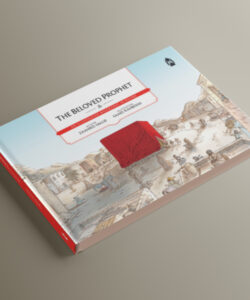
Author of The Beloved Prophet – An Illustrated Biography in Rhyme
Join Allah, the Prophet, and me
Inspiring thoughts and ideas to deepen your connection with Allah and the Prophet (s).
Join me on this journey—enter your email now.

Follow me on Upscrolled, Instagram and X for short but powerful APM excerpts, quotes, and reminders throughout the week.
ABOUT THE NEWSLETTER
The APM Newsletter is a weekly Friday feature, sharing thoughts and ideas to help cultivate the link between Allah, the Prophet and me (meaning YOU).
- APM: Objectified Women, Limitless Generosity, and Organised Power
- APM: The Losers, Building the Base, and Scrambling Genocidaires
- APM: Halal but Un-Islamic, Friday Etiquette, and Encyclopaedias are Dangerous
- APM: A Self-Willed Rebellion, Let’s Prepare Now, and Losing Yourself
- APM: Confederate Temptations, Idol Worship, and Killing Shame
A
Allah
CONFEDERATE TEMPTATIONS
We are never safe from the temptations that can lead us to eternal ruin. Nor from Satan, the great tempter.
So, seek refuge with God from Satan’s seduction. And from your nafs (ego), hawaa (desires), and dunya (the world).
And every time this confederate army inevitably mobilises against you, remember those brave men and women at the Battle of Uhud, who rose in faith when people said: ‘Fear your enemy: they have amassed a great army against you,’ and who replied, ‘God is enough for us: He is the best Protector’ [3:173].
P
The Prophet (s)
IDOL WORSHIP
Showers of worship and glory rain daily on the unworthy—acidic rain poisoning both the showered and the spouting heart.
These precipitations stem from hearts harbouring idols: self, food, sex, drugs, alcohol, work, television, creation, greed, materialism, popular culture, fame, celebrities, musicians, artists, prophets, saints, religious figures, statues, sportsmen and women, sports teams, corporations, scientists, entrepreneurs, innovators, icons, brands, tech, cars, wealth, and the like—which ultimately lead astray.
One of the Quran’s most profound dialogues addresses misdirected worship.
In Chapter 26 of the Quran, The Poets, verses 70 to 102, God related to His beloved Prophet Muhammad (s) a 2,500-year-old three-part story of his great-great-grand-progenitor and God’s friend, Abraham (as), the foundational monotheist prophet.
The story teaches three themes: 1) shunning sinful worship, 2) becoming selfless through prayer, and 3) focusing on your eternal home. This pedagogy also teaches the art of discourse and debate.
Before beginning His narration, God instructs the Prophet (s) to rehearse the parable of his great-grandfather, which he is about to hear, to the world.
This instruction was not only for the Prophet (s), but for all who read the glorious verses that are about to follow:
(Prophet) Tell them the story of Abraham when he asked his father and his people, ‘What do you worship?’
They said, ‘We worship idols, and we attend to them constantly (addictively, obsessively, compulsively).’
He asked, ‘Do they (replace ‘they’ with your idol/s, if you have any) hear you when you call? Do they help you or harm you?’
They said, ‘No, but this is what we saw our fathers doing.’
He said, ‘Those idols you have worshipped, you and your forefathers, are my enemies; not so the Lord of the Worlds who created me, who feeds me and quenches my thirst, who cures me when I’m ill, and who will cause me to die and then give me life again, and He who will, I hope, forgive my faults on the Day of Judgement.’
‘My Lord, grant me wisdom; join me with the righteous; give me a good name among later generations; grant me to inherit your Garden of Bliss; forgive my father, for he is one of those who have gone astray; and do not disgrace me on the Day when all people are resurrected: The Day when neither wealth nor children can help, but only those who bring Thee a pure heart.’
‘When the Garden is brought near to the righteous, and the fire is placed in full view of the misguided, it will be said to them, ‘Where are those you worshipped beside God? Can they help you now, or even help themselves? Then they will all be hurled into Hell, together with those that misled them, and all of Iblis’ (Satan’s) supporters will say while disputing with their idols, ‘We were clearly misguided when we made you equal with the Lord of the Worlds. The evildoers led us astray. And now we have no intercessor and no true friend. If only we could have a second chance, we would be true believers.’
M
Killing Shame
Those who publicly do things of outlawry have wrung shame from themselves.
Feeling shame is part of our nature. We can supplant it as much as we like, but we cannot kill our nature. It will always push back, leaving us in a perpetual state of dis-ease.
Like a smoke alarm, shame alerts us that something is awry. And if we ignore it, we may go up in flames.
Until next week, InshaAllah
Zaahied Sallie
Author of The Beloved Prophet – An Illustrated Biography in Rhyme
Join Allah, the Prophet, and me
Inspiring thoughts and ideas to deepen your connection with Allah and the Prophet (s).
Join me on this journey—enter your email now.

Follow me on Upscrolled, Instagram and X for short but powerful APM excerpts, quotes, and reminders throughout the week.
About The Newsletter
The APM Newsletter is a weekly Friday feature, sharing thoughts and ideas to help cultivate the link between Allah, the Prophet and me (meaning YOU).
Previous Posts
- APM: Objectified Women, Limitless Generosity, and Organised Power
- APM: The Losers, Building the Base, and Scrambling Genocidaires
- APM: Halal but Un-Islamic, Friday Etiquette, and Encyclopaedias are Dangerous
- APM: A Self-Willed Rebellion, Let’s Prepare Now, and Losing Yourself
- APM: Confederate Temptations, Idol Worship, and Killing Shame